
Interview with Catalyst 14 Partner Janey Bell

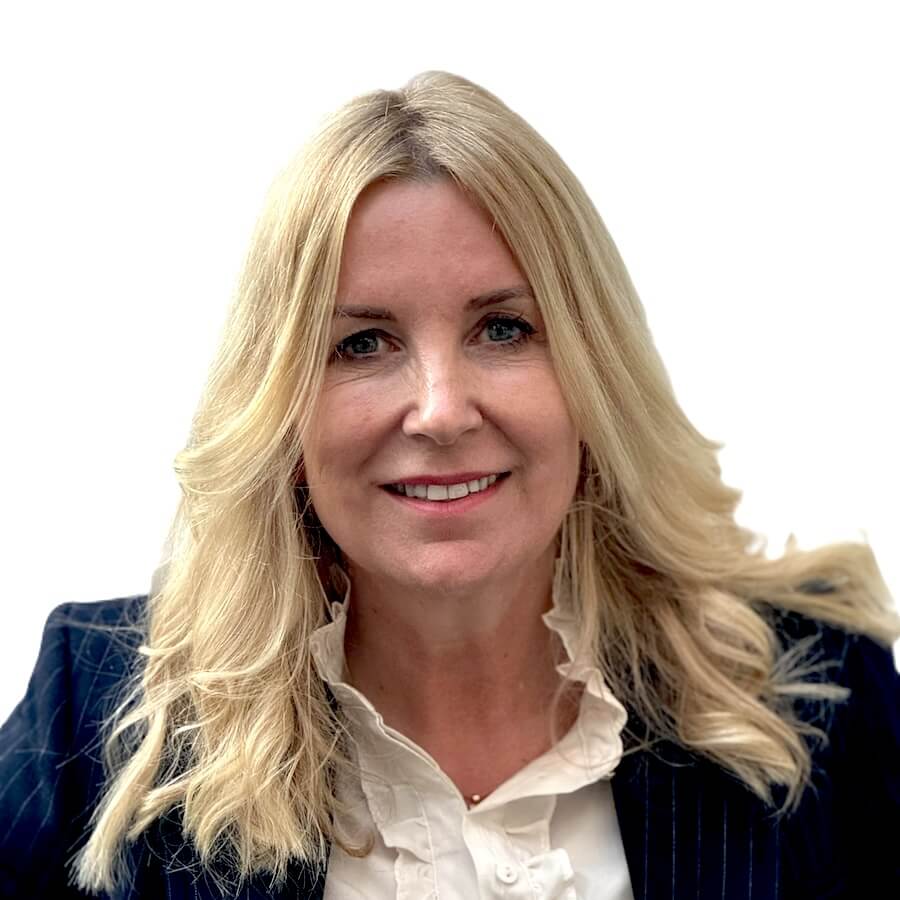
In the first in a series of interviews with Catalyst 14 partners about their views and experiences of coaching, Vanessa Rogers interviews Janey Bell.
Can you introduce yourself for us, Janey?
I have been a coach for over 20 years, and am very happy to say that I have been involved with Catalyst 14 since the beginning. I am extremely grateful to be able to say I love my work. I find it inspiring, challenging and fun. The team at Catalyst14 are a living testament to Aristotle – “the whole is greater than the sum of its parts.”
I live in Wimbledon with my husband and have 3 daughters. I love to ski and walk my dog on Wimbledon Common. My recent passion is reformer Pilates and I am looking for a new challenge to stretch me.
What was your first experience of coaching?
I did an MBA, and as part of that I did a module in creative management — there was someone who did NLP there and I listened to them about it, and thought that’s really interesting, so I read some books on the subject.
The first proper training I did was with a master practitioner, Richard Bandle — one of the co-creators of NLP. I was eight months pregnant at the time, and I just got a bee in my bonnet that I had to do this before I had the baby, because I wasn’t going to make it happen afterwards! Watching Richard and the results he got was just mind-blowing. It was like wow — I want to be as good as him.
So I was eight months pregnant, I was bouncing around the place and my husband was asking me what on earth I was learning. And I was like, I’m not quite sure. I don’t really know, but my goodness, it’s amazing. That’s how I first came to coaching, and I became so enthusiastic and passionate about working with clients to help them achieve their goals. From there I trained with other people and went to the States and did more training — a three-week trainers training and Humanistic NLP coach training.
What made you want to become an executive coach?
I just knew I wanted to work in that area. I did my training, and I did lots of work, and coached people, and then met a Head of Talent from an organization and had a conversation with her. She asked me to work within their coaching pool, and that started my journey into executive coaching.
So what would you say it is about coaching that you love?
It’s the transformation: how you can never know where things are going to go, and when someone has a real insight. One of my early coachees said to me: “nothing in the world has changed, but everything feels different.” And that for me is what I love — getting that sense of a coachee’s change in mindset, their beliefs about themselves, their beliefs about the world, whatever it might be that makes them feel and act differently in the world. I just love that transformation piece.
What have been some key influences on you as a coach?
Coming from an NLP background is key to how I coach. NLP so wide in nature that I can really cherrypick all the good stuff. It has some embodied work in it. It’s got systemic work in it. It’s got Gestalt in it. It is pulled from all these. It can feel like I drive everyone mad because I’ll read something and I say, “Yeah, but that’s kind of NLP, isn’t it?”
NLP is taken from the best; its creators looked around and thought, “What really works in in transformational change? What is it that works?” And they modeled the best people around that were doing transformational coaching at that point, and looked at the structure of what they were doing. What kind of questions did they use? How did they do it? Rather than focusing on the content, they looked at the structure of thinking.
Thinking back to when you were first a coach, Janey, if you could go back in time and give yourself one piece of advice, what would it be? What would you say to yourself if you could go back and talk to yourself as a brand new coach?
Be bolder. Be braver. Step out your comfort zone. Initially, I think I doubted myself. I think we can all be guilty of doing that at times. If I could go back to my earlier self, I’d say you’ve got this, just get on with it; do it; don’t hold yourself back. I think I held myself back in the beginning, because I thought oh everyone knows this this, it isn’t new…I had all these unhelpful thoughts.
What else would I tell myself? I think it would be that you know you can do this. You don’t have to do it the way other people do it. Trust the process and trust your instincts. Trust yourself.
Coming back up to date, how would you describe your coaching now?
Transformational. It’s still about how do you help someone change? How do you help someone be the best they can be? That’s what I aim to do when I’m working with anyone. You know, whatever they say the surface goals are, ultimately, what sits below determines how confident they are, how happy they are, how they feel about themselves in life. Obviously you tick off the “I want to be better as a leader” aspect or whatever it might be — but change is about the whole person. It’s not just about the goals, it’s not just the context they’re bringing as a leader.
What advice would you give to new coaches in training?
Trust yourself, trust the process, and keep working on yourself. There’s a person I met when I did my training in the US 20 odd years ago. We still speak at least twice a month, and coach each other, and we have learning conversations about things we’ve read, or things we’ve come across. I’d say that working on yourself is really important — it’s not just about learning tools and techniques. Do the work on yourself, because that makes you a much better coach. And you’ve got to be aware of what your limiting beliefs are. You’ve got to be aware of how you’re being. I utterly believe we’ve got to keep learning and growing. And even if that doesn’t mean formal learning. It can be questioning yourself, questioning what’s going on, reflecting on your practice so that you just keep improving.
What advice would you give to coaches setting up their own business?
Don’t overthink it, or overcomplicate it. Think about who you currently know. Talk to people. You don’t have to do it all by yourself, you know. It’s about working your network; if you are doing good work, people will recommend you. Do good work and then talk about it, have conversations with people, be curious.
I think there’s something important in being able to dissociate yourself from your coaching and see yourself as a business, a name. For example, Janey Bell Coaching is different from Janey Bell. It took me quite a long time to make this distinction; but having space and distance between you as a coach and you as a business means you can be more objective. How do you want your business to grow? How do you want it to develop?
It’s also important to build a support system around you — having people who can challenge and support you around you is great. If I’m looking at things solely through the lens of being an independent coach, it can be quite hard and lonely at times — but if I’m in an office with other people it’s easy to turn to someone and go, “Oh, I’m not sure what to do about this. What do you think?” and have a conversation. So, don’t think you have to do it all yourself. Set up a support system.
How do you see your coaching practice evolving in the future?
I want to do more of the same more skillfully — and connect with more people. I don’t think AI will ever replace one-on-one conversations, that human to human contact. I think we crave that. We need that. AI currently can’t notice the nuances in your tone of voice or your body language that an experienced coach will pick up on. We are complex human beings. It’s not just about what we say, it’s how we say it. Everything else that sits around that leads to a deeper insight — one that I don’t think AI can pick up on yet. We’re not just data, are we?
Get free coaching and mindfulness resources
Join our community for free and get a host of essential resources, including an e-book on becoming a professional coach, access to our coaching webinars, a mindfulness e-kit and much more.